
Employment
Welcome to the employment zone

Employment: Advice from City College Norwich
The Education and Training Foundation has three national Centres for Excellence in Special Education…
Employment: Advice from City College Norwich

The Education and Training Foundation has three national Centres for Excellence in Special Educational Needs and Disabilities (SEND) that provide expert support for leaders, managers and practitioners who wish to put learners with SEND at the centre of their organisation as part of a Department for Education (DfE) funded national programme.
In this video, Elaine Dale, Director of SEND Support and Nursery, City College Norwich, Paston College and Easton College and Jack Critten, Team Leader for Specific Learning Differences and Exam Access Arrangements Team, share their insights into how the college supports learners secure work experience and apprenticeships, what parents/carers and young people need to know when it comes to employment and finance, employment rights and we find out about events and webinars that young people and parents/carers can attend to gain a greater insight.
Watch now and share your feedback.
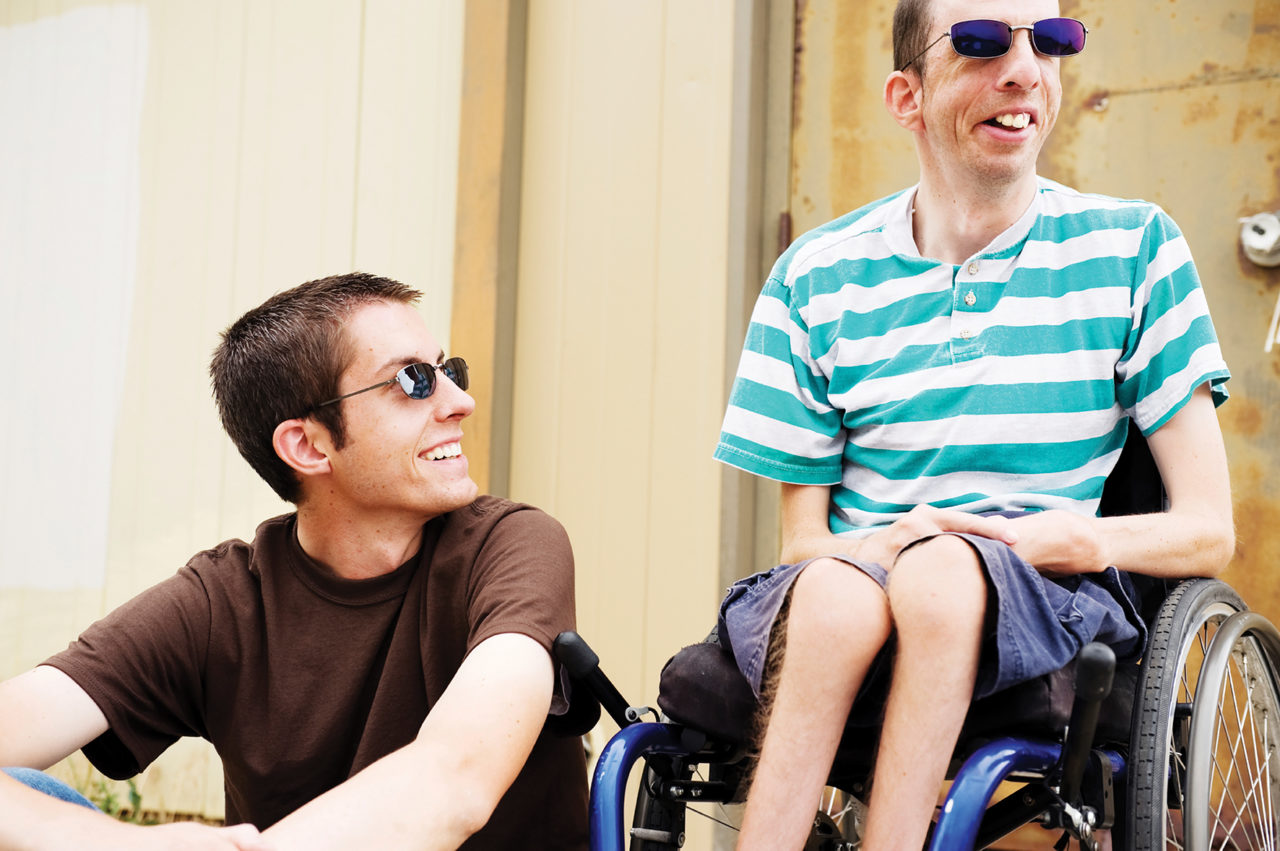
Employment: Supporting young people with SEND
Learners with SEND can face real challenges in finding and sustaining employment. The Excellence Gat…
Employment: Supporting young people with SEND
Learners with SEND can face real challenges in finding and sustaining employment. The Excellence Gateway’s Special Educational Needs and Disabilities exhibition website, which is part of the Education and Training Foundation, works together with learning providers and sector experts to spread effective practice and improve learning delivery across the sector.
There is a vast array of resources available to support you and you might be particularly interested in the employers and employability area of the site which includes sections on support for learners ; support for employers and pathways to employment.
Below are just some of the resources which may help to give parents/carers a greater understanding into the wider information relating to professional development for young people with SEND. Join the conversation with #SENDinFE.
Transitioning to employment
Ambitious about Autism have created an employment toolkit to support autistic young people into the job market. The toolkit has been developed to tackle the low autism employment rate, which is currently at 22% and the lowest of all disabled groups. It aims to prevent autistic young people from falling out of education, employment or training when they leave school. The toolkit has sections for autistic young people, careers professionals and employers. It can be downloaded as a whole or as individual sections and includes lots of editable forms and templates. The Transition to employment toolkit is free to download from the Ambitious about Autism website.
The Careers & Enterprise Company’s paper, Transition programmes for young adults with SEND. What works? outlines five key areas which can help to make a transition programme successful including providing encounters with employers, working people and workplaces. The report notes that there is strong evidence to suggest that involving the individual with SEND’s family/carers in transition programming is very important to the success of the programme. Families/carers not only have insight into the young person’s unique strengths, needs and capabilities but are also likely to be involved in supporting them through the transition. It is therefore important that they are included in the planning. Parents/carers might find it useful to familiarise themselves with the report to understand the wider policy relating to transition and best practice. Please note this report is aimed at providers of learning and hasn’t been written and designed with parents/carers in mind. You can download the report on The Careers & Enterprise Company website.
Video CVs – an innovative approach to employment
Oldham College, SEND Employer Spoke, share how they use video CVs to support learners with SEND into employment. The webinar outlines their approach and includes case studies from learners and employers. Watch the video here.
Self-Employment
Leading disability charity National Star, an ETF Centre for Excellence in SEND Employer Spoke, held a webinar: Self-employment for learners with SEND. The session includes an inspiring story from Katy Etherington, a previous National Star learner who runs her successful graphic design business, sharing her experiences of education, employment, and self-employment. Keith Bates from Mutually Inclusive explores the relationship between support and the entrepreneur.
You can watch the Self-Employment for learners with SEND webinar here.
How to be happy and healthy
This interactive workbook is designed to help learners with learning difficulties to understand what it means to be happy and healthy in learning, whether in a college or work context. It covers topics including mental and physical health, healthy eating, safeguarding and provides details of a range of sources of further advice and information.
Download the PDF resource here.
Events from our Centres for Excellence in SEND and employer led sessions
We regularly run sessions to improve knowledge and skills to support learners with SEND. The sessions are free and open to everyone. Do keep an eye on our communities of practice page for latest information.
MFON would like to thank the Education and Training Foundation for its permissions and support in creating this article.
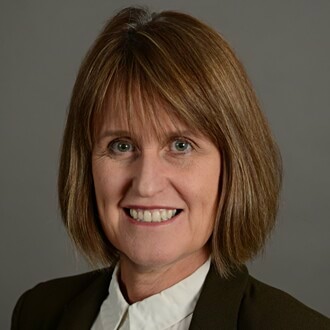
Teresa Carroll
Teresa leads on the Education and Training Foundation’s offer to the sector on offender learning, special educational needs and disabilities (SEND) and mental health. She has worked for over 20 years across the housing, health and education sectors developing community led services, providing advocacy and in social policy roles to ensure that services meet the needs of those they are for.
A beneficiary and champion of the Further Education sector and its life changing impact, Teresa works with others to remove the barriers that prevent people from maximising their potential.
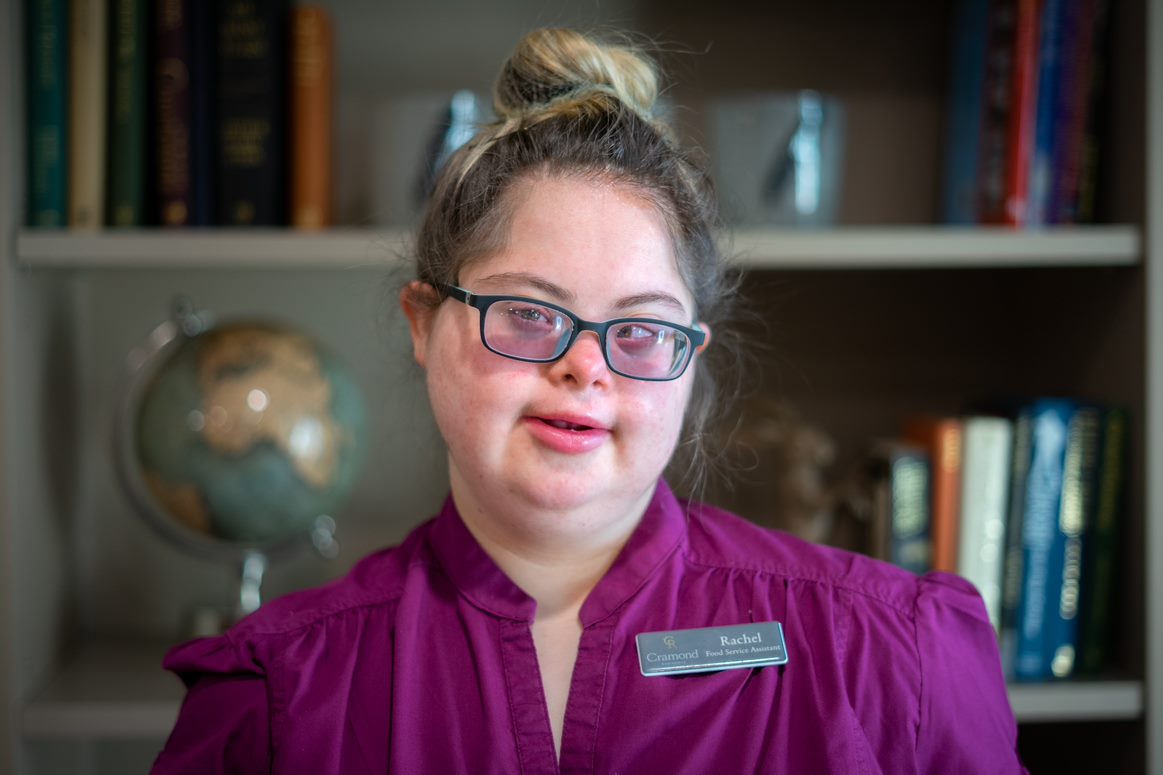
World Down’s Syndrome Day 2022 – Rachel’s story
We love hearing from young people doing great things. Rachel Murray, 21, who has Down’s Syndrome (…
World Down’s Syndrome Day 2022 – Rachel’s story

We love hearing from young people doing great things. Rachel Murray, 21, who has Down’s Syndrome (DS), secured her first paid role last year and we wanted to hear how she’s getting on. Rachel’s mum is a dedicated campaigner – she’s determined to educate as many people as possible about DS. Today, she’s busy in London with other families campaigning to get the Down’s Syndrome Bill passed. We talk misconceptions, local authorities and not giving up.
Learning new skills
Rachel landed her first paid role as a Food Service Assistant at Cramond Residence, a care home in Edinburgh, after demonstrating her hard work and talent in a variety of volunteer roles in cafés and the former Royal Hospital for Sick Children. The team at Cramond Residence were so impressed by Rachel’s application they created a tailored Food Services Assistant role, just for her.
Now fully settled into the job, Rachel plays an integral part in the day to day running of the care home – supporting the home’s four chefs to create bespoke dishes, doing the daily tea and coffee run, taking breakfast orders and baking sweet treats for residents.
Rachel is full of smiles, and I can see why. ‘In my role, I get to do so many different things like deliver breakfasts, bake cakes, help with food prep and make cheeseboards and platters for the residents.
‘My favourite thing is definitely the baking. I love to make lemon drizzle cake, cheese scones and apple crumble. Since starting in June 2021, I’ve learned a lot of new skills thanks to the team who have been showing me the ropes. It’s a really friendly environment and my colleagues are great.
‘My advice for other young people with DS is to make sure you have a great CV! – It helps people know what you can and can’t do.’
Since starting, Rachel has passed her Level 2 Food Hygiene Course, Rachel is going through her basic level dementia training and has learned a variety of kitchen skills under the watchful eye of head chef, Patsy.
Valued member of the team
Christian Daraio, Client Liaison Manager at Cramond Residence, said, ‘Rachel is a total asset to the Cramond Residence team. Her positive attitude really brightens everyone’s day.
‘I know Head Chef Patsy in particular is very appreciative of her and she’s a great help to the rest of our food service assistants too. Because of her past experience volunteering at Sick Kids and Broomhouse café, Rachel is versatile and can work in the kitchen or on the floors, taking orders and doing the tea and coffee runs.’
A packed schedule
Outside of work, Rachel loves drama, socialising with her family and friends at the weekends and watching football. Rachel is also a first aider for a church football team – managed by her dad, Brian Murray – and helps with physio and first aid.
‘I love football! My dad’s team had a cup final this weekend and they are going to raise money for a fundraising campaign – to end discrimination for DS. I also attend a mix abilities drama group and do two shows a year, Christmas and Summer. It’s an inclusive group. I’ve met a lot of people! I have lots of friends from drama.’
‘In 2020, I did the Kiltwalk in Scotland and helped to fundraised for ENABLE. We did lots of videos, too – it was very windy!’
Campaigning for change
Rachel is visiting Parliament today with other families and her mum, Lynn. MFON asked Lynn how other parents can get involved and how much progress has been made to date.
‘Last year, I was part of the group called the National Down’s Syndrome policy group. The idea for that, was to support a new cross-party group at Parliament. We got the chance to support a Bill – one of the MPs decided to bring in a private members Bill called the Down’s Syndrome Bill – aimed to improve the lives of people with DS. People with DS are now outliving their parents and that didn’t happen before. So, we need to make sure people with DS are supported – if they are diagnosed with dementia later in life, we need to make sure people with DS are living with people of an appropriate age.’ The policy group, Positive about Down’s Syndrome, aims to educate and raise positive awareness. The group shares videos and people can read real-life stories about DS.
Progress so far
‘The group has been working really hard over the past year – we hoped the Bill would have passed by now, but it hasn’t yet. It has gone through The House of Commons. Today (Monday 21st) we have invited all of the politicians to come along and there are lots of families going along today. We are also having an afternoon tea celebration with lots of photographs. Liam Fox is backing the Bill – there has been great support so far and debates in Parliament. MPs such as Gillian Keegan, who has a nephew with the condition, has shown her support. There are a few MPs who have lived experience and want change to happen.
‘I would say that the drive for change has picked up in recent years. I’m a stakeholder in a Scottish NHS Group and I have contributed to the prenatal screening booklet. I think the booklet has benefited from my lived experience input. A lot of women are offered screening for a DS test, but a lot of women don’t know what downs syndrome is. People need to know more about the condition before they are asked whether or not to do a test.’
Downs Syndrome misconception
‘I think an old-fashioned perception of DS still exists. Years ago, people were institutionalised, and they died young. I think people understand the medical reference, but they don’t understand the social side of DS and that we value people with DS in the same way as everyone else.’
Advice for parents/carers
‘I’m involved in some campaigning work around breaking that misconception – not seeing people with DS as if you are reading about a condition – that’s not usually how you would introduce someone. There is also the National Downs Syndrome Policy Group, which aims to educate and raise positive awareness. The group shares videos and people can read real-life stories about DS. Parents/carers should also explore Downs Syndrome Scotland and Downs Syndrome Association. Social media has been such a vital support during lockdown – how did we ever manage without zoom?!
‘Young people with DS are a tiny group – in Edinburgh, Rachel has a few friends with DS and can meet in person as well as online. However, that’s not always the case, and people are isolated, so being able to connect online is so important.’
Local authority support
‘There are challenges along the way – again, there is often the idea that some people don’t understand the needs of people with DS. It can be up to the time of going to school. Young people with DS can benefit from speech therapy right up to adulthood. We have this challenge for local authorities to provide regular input – we need expert focus to help individuals with the problems they have.
‘Everyone has a right to go to their local school. We sometimes hear that ‘the child doesn’t fit the school’ or ‘the school doesn’t fit’. I think there is a fear. Parents should try and find someone to support them and act on their behalf. The school can then feel confident that they will get some training and they will be supported. A lot of it is about understanding. It’s good for everyone to be supported and that’s on the staff side as well.
‘We still need more support and more awareness of what’s needed. As a parent, you need to think that what’s invested now, will lead to benefits in the future. It’s good to stand your ground, for example, engaging with speech therapy now can help in the future. In a special school, you might not be happy with what’s going on. If it’s around an educational need or speech therapy – it’s important for us to speak up.
‘People look at you and see that you are emotionally invested but when you have a third party involved to help, you can talk on a level playing field.
‘Rachel had a good time at school, we had a wonderful Head of Learning Support, and he was Rachel’s man! We have been fortunate along the way.
‘Don’t give up – I know it’s hard sometimes and people have a lot going on. I know some parents /carers give up but keep going.’

How to find a job
In this video, Aimee Mann shares her top tips about where to find a job from the Entrust Care Partne…
How to find a job

In this video, Aimee Mann shares her top tips about where to find a job from the Entrust Care Partnership Pathway To Employment Initiative.
Pathway to Employment offers practical experiences, and provides new opportunities for young people to increase knowledge in support of their next steps into college, training, work or setting up their own business.
Entrust works across Warwickshire, meeting the needs of children, young people and adults with additional needs and disabilities. In addition to their Pathway To Employment initiative, they also provide short breaks, support, training, advice and brokerage. Find out more here.

Personal profile
Employers will want to know a bit more about you and what your strengths are. One of the ways you ca…
Personal profile

Employers will want to know a bit more about you and what your strengths are. One of the ways you can do this is in your personal profile. In this video, Aimee Mann explains what a personal profile is, why we need one and where we use it, and offers some suggestions on how to create one.
Entrust works across Warwickshire, meeting the needs of children, young people and adults with additional needs and disabilities. In addition to their Pathway To Employment initiative, they also provide short breaks, support, training, advice and brokerage. Find out more here.

Cover letters
Aimee Mann, from Entrust Care Partnership, explains just what a cover letter is, and why you need on…
Cover letters

Aimee Mann, from Entrust Care Partnership, explains just what a cover letter is, and why you need one.
Click here to download and print Aimee’s top tips on how to write your cover letter.
Entrust works across Warwickshire, meeting the needs of children, young people and adults with additional needs and disabilities. In addition to their Pathway To Employment initiative, they also provide short breaks, support, training, advice and brokerage. Find out more here.
The interview
You’ve written your CV, found the ideal job, and applied; now you have an interview. So how do…
The interview
You’ve written your CV, found the ideal job, and applied; now you have an interview. So how do you best prepare? In this video, Aimee shares her top tips for preparing for an interview, including research and personal appearance.
Click here to download and print these top tips.
Entrust works across Warwickshire, meeting the needs of children, young people and adults with additional needs and disabilities. In addition to their Pathway To Employment initiative, they also provide short breaks, support, training, advice and brokerage. Find out more here.

What to include in your CV
Entrust Care Partnership’s Aimee Mann talks about what to include in a CV and why you would cr…
What to include in your CV

Entrust Care Partnership’s Aimee Mann talks about what to include in a CV and why you would create one.
Click here to download and print Aimee’s top tips for writing your CV.
Entrust works across Warwickshire, meeting the needs of children, young people and adults with additional needs and disabilities. In addition to their Pathway To Employment initiative, they also provide short breaks, support, training, advice and brokerage. Find out more here.