

16th January 2026 • My Family Our Needs
In our previous blog post taken from our new South East Guide to SEND, we covered the different types of formal dispute resolution around the Education, Health and Care Plan (EHCP) process. In this week’s content from the Guide, Liz Arriens-Troy shares her experience of navigating the EHCP complaints process.
Our SEND Guide includes specific information and signposts to services and resources in the South East, however, this content is applicable to all areas in the UK.
After moving from Surrey to Devon in August 2021 with an EHCP in place, our daughter’s therapies – physiotherapy, speech, and occupational therapy – were not provided for five months.
We had started the EHCP process back in March 2021 in Surrey and by June it was issued and shared with Devon’s SEND team ahead of the move. Despite this, we still experienced issues and had to pursue a formal complaints route in January 2022.
Our timeline of escalating the complaint:
- September – November 2021: Repeated calls and emails to the SEND teams. No progress.
- Mid-November 2021: Finally spoke with caseworker after three months of silence.
- December 2021: Escalated to the SEND manager and HEad of SEND. Set deadlines for action.
- January 2022: Sent a formal complaint letter, using legal wording from SOS!SEN, and copied in the Chief Officer for Children’s Services. Warned we would pursue judicial review.
- Late January 2022: Private therapists were appointed for Coraline. Provision began at last.
- Early February 2022: Formal complaints meeting held with SEND team, NHS and complaints officers. All therapies confirmed and compensation offered for every missed session.
Section F of an EHCP is legally binding from day one and local authorities must provide the therapies listed. Once therapies were in place, our confidence as parents returned. Coraline’s school received professional guidance, routines were established and she regained access to vital equipment.
The process was draining and left us exhausted, but it taught us that persistence matters. I have learned that standing firm is not ‘complaining’ – it is securing my child’s rights. You are doing something incredible for your child by standing up for what they deserve and need.
To every parent or guardian reading this, you can do it.
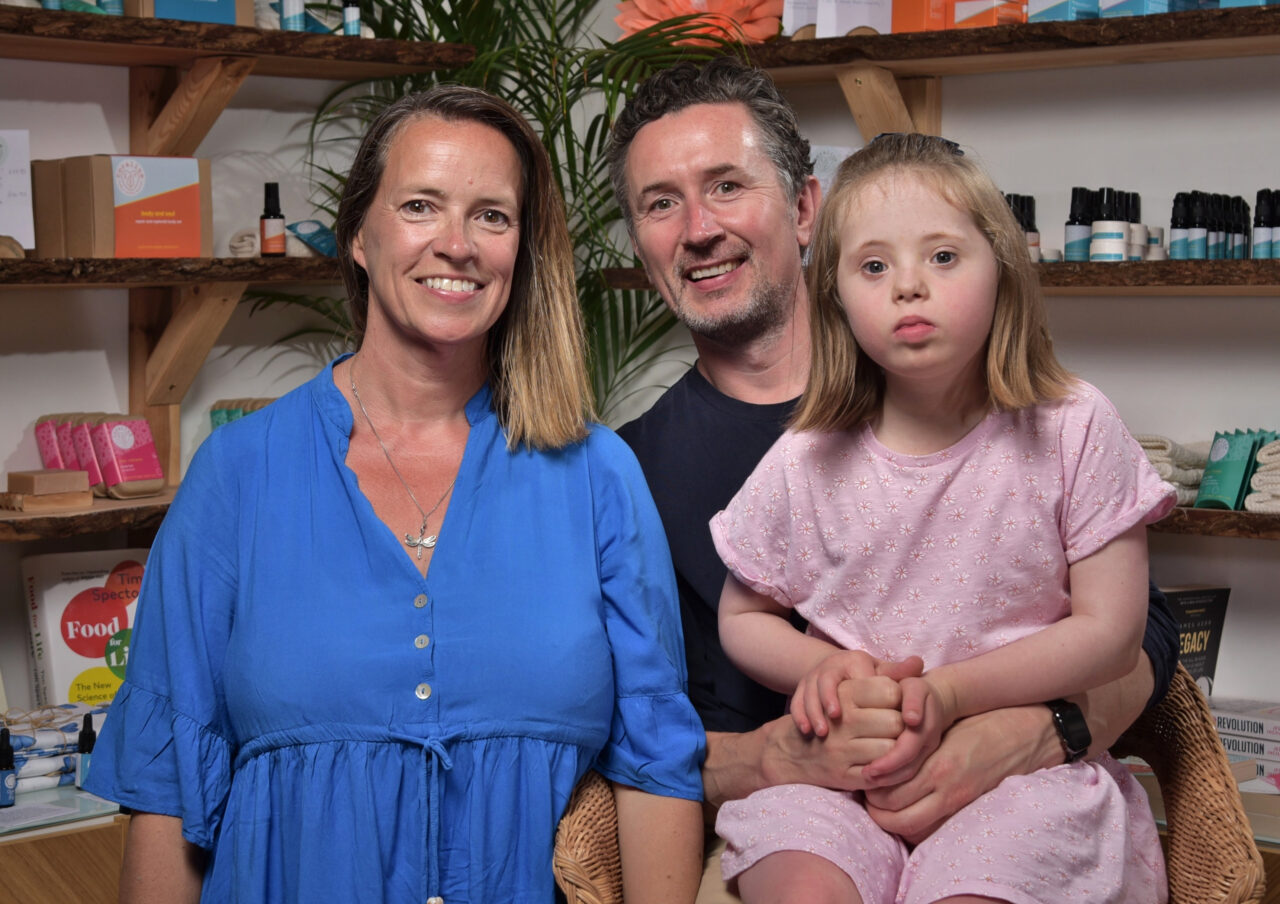
Liz Arriens-Troy lives in the estuary town of Topsham, Devon, with her husband Kevin and daughter Coraline, who has Down’s syndrome and suspected autism. Liz published her first book, Everybody Wants a Dance with Coraline, a memoir about Coraline’s first four years of life, in October 2025 (available on the Coraline Skincare website or on Amazon).
Together Kevin and Liz run their multi-award-winning organic skincare business, Coraline Skincare; all products are handmade by Kevin drawing on his years of experience with ingredients as a chef, and inspired by Coraline’s sensitive skin.
Read Liz’s blog here: www.dancewithcoraline.com
