
5th November 2026 • My Family Our Needs
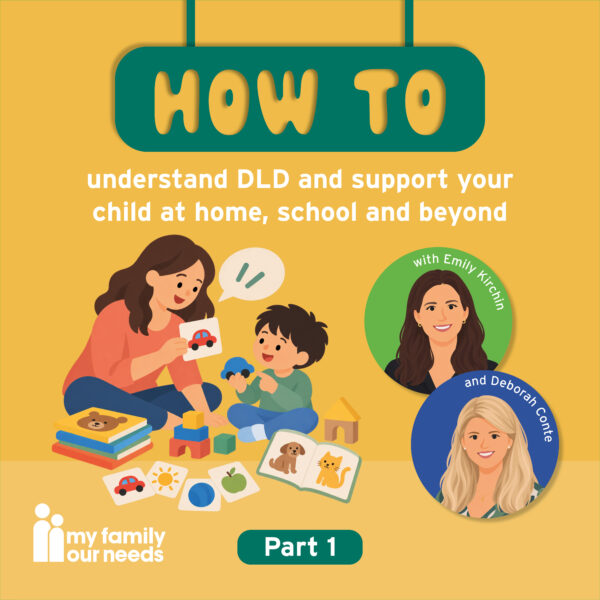
In this ‘How to’ blog, Emily and Deborah from London Speech Therapy (LST) answer questions parents may have about developmental language disorder (DLD), from recognising the signs and seeking a diagnosis to supporting communication through play, reading and everyday routines.
What are the signs of DLD and how would a parent go about receiving a diagnosis for their child?
If your child finds it difficult to follow instructions, find words or explain their thoughts, you may wonder what this means. Understanding the signs of DLD can help you start a conversation about their needs and seek an assessment.
Deborah: The key difference between speech and language delay and DLD is that in children with DLD we see language difficulties persisting beyond five years old, meaning children might have difficulties understanding or using language. Typically, children learn at different rates up until five and by then, they’ve caught up. There shouldn’t be another explanation, for example, a hearing impairment, autism or a lack of exposure to language.
When children are very young, the signs that we normally pick up on include:
- speaking later than expected
- sentences are shorter and simpler than their peers
- word finding difficulties – they might struggle to find the right word
- struggling to understand instructions, especially longer instructions with more than one step.
When children are around age five, signs may span:
- finding it hard to answer questions in the classroom or at home from their parents
- experiencing difficulties doing something that typical five-year-olds can do, like tell a simple story
- difficulty learning new vocabulary and often needing support because of their difficulties with language
- finding things like taking part in a conversation, understanding a joke, idioms, figurative language, or reading between the lines challenging as a result of language difficulties
If a parent or a teacher is concerned, it’s really important to speak to a speech and language therapist either through the nursery or the school. If they’re younger, you can seek a referral to a speech and language therapist through your child’s GP. Unfortunately, waiting lists in the NHS are quite long at the moment, so some parents do choose to go privately.
The speech and language therapist will observe the child. They might have a conversation with them, do an informal or formal assessment, and gather some information from either parents or teachers, or both. If the language difficulties persist beyond the age of five, despite having received some support, and the child has not caught up, a diagnosis will be given if their difficulties are affecting their everyday life and ability to learn.
How would a parent know if it was an autism-related difficulty or DLD?
Understanding what lies behind your child’s communication difficulties can feel confusing. Looking at their wider experiences, alongside observations from school and professionals, can help build a clearer picture.
Emily: It’s useful to speak to the teacher. If the child is displaying signs of autism or something else is going on, the teacher may have concerns in other areas.
Some questions to ask your child’s teacher may include:
- How are they interacting with other children?
- What’s their play like?
- What’s their imagination like?
- Do they have any sensory aversions or are they seeking extra sensations?
There are usually other concerns when it comes to autism. With DLD, it’s predominantly the language difficulties such as their understanding of language or their use of language.
It is worth parents speaking to teachers and other people that see their child in other settings and putting the pieces of the puzzle together. It’s also useful to speak to speech and language therapists, whether that’s privately, through the NHS, or the school may have a therapist.
What does life look like for a parent whose child has just received a DLD diagnosis?
A diagnosis can bring relief, uncertainty and plenty of questions about the future. It can also give families a clearer understanding of their child’s needs and a starting point for finding support.
Deborah: From personal experience, parents often feel relieved when they get the diagnosis because they’ve often done a lot of research and have been unsure as to why their child is finding language learning difficult. It can be overwhelming as well. There’s a lot of things that they need to learn, but it can really give parents an explanation for why their child was late to talk, why their child finds learning vocabulary difficult and why their child finds school difficult, for example.
Even though DLD is lifelong, that doesn’t mean their child can’t make progress. With the right support, they can progress, learn more language and access the curriculum better. DLD does not mean that the child isn’t intelligent or capable.
Lots of children with DLD will go to mainstream school, have friendships and go on to achieve things both academically and professionally. But a diagnosis really helps both the parents and the schools as well as the professionals to understand the child’s needs and understand that they won’t catch up without any support enabling the school to take steps. For example, the school can look at the learning environment. Are they using enough visuals? Is the child receiving pre-teaching of new vocabulary. As a child gets older and goes on to study for GCSEs, do they need a reader? Do they need extra time in exams?
Having a diagnosis of DLD, especially in secondary school, can open doors to reasonable adjustments in the learning environment.
Emily: Although receiving a DLD diagnosis can feel daunting, it can help families explain their child’s needs and seek appropriate support. Alongside evidence of how language difficulties affect learning and everyday life, a diagnosis can support an application for an Education, Health and Care Plan (EHCP), which may include speech and language therapy or additional classroom support.
DLD is a lifelong condition, yet some people reach adulthood without a diagnosis or access to speech and language therapy. Deborah recently diagnosed a 35-year-old woman whose mother first recognised her daughter’s difficulties after reading an article about DLD, highlighting how greater awareness can help families find answers and seek support.
How could a parent support their child to progress at home?
Everyday moments, from sharing a book to playing together, offer opportunities to support communication. Small changes to how you talk, listen and respond can help your child practise their skills and feel more confident asking for help.
Emily: It depends on the age, but breaking down instructions into one step or shorter chunks of information is very helpful. Additionally, children learn better through routine so using repetition and in a familiar routine such as through play. If you’ve got little children, use lots of repetition of the same words in play. When children are engaged in play, they’re much more likely to learn language. Parents can play with their child and comment on what they’re doing and what they’re looking at.
Flashcards are also useful for pre-teaching some vocabulary and reading is a lovely activity to do with children. They’re hearing lots and lots of words and they’ve got the visuals to support that language as they talk about the stories.
Deborah: Parents are well set up to support their children to self-advocate. If your child is doing their homework and they don’t understand, saying: “I can see you don’t understand. You can say, ‘can you help me, mummy?’” or asking your child to say, “can you say that again? I didn’t understand”. That’s really important, even from primary school age, to support children to self-advocate, to ask for help when they need it, to say when things are difficult.
Parents can model this. Saying things like “I forgot my keys in the kitchen. Oh, sometimes I forget things and that’s okay.” Use language to show that we all have times where we might make a mistake or not know the correct answer, and that’s okay. Model that we’re all human and have our unique strengths and needs.
Emily: We all have examples of word finding difficulties. There are those times where you think, what’s that word? And you start using your hands to help you get that word. You might use a gesture or talk around the word. We do it naturally, but children with DLD might need to be explicitly taught those strategies.
Parents can work with teachers to ask what topics are coming up next term and what vocabulary will be covered in that topic that their child might find difficult. Typically developing children might only need to hear a new word 10 times, but a child with DLD might need to hear that word 50 times. Parents can teach those words at home before they’re hearing it in the classroom. You can work with your child to sound the word out, spell, write it, use it in a sentence.
Part 2 coming soon!
Looking for more information on speech and language therapy? Read our previous How to blog from Emily and Máiréad on navigating SLT support for your child. Part 1 and Part 2 are live now!
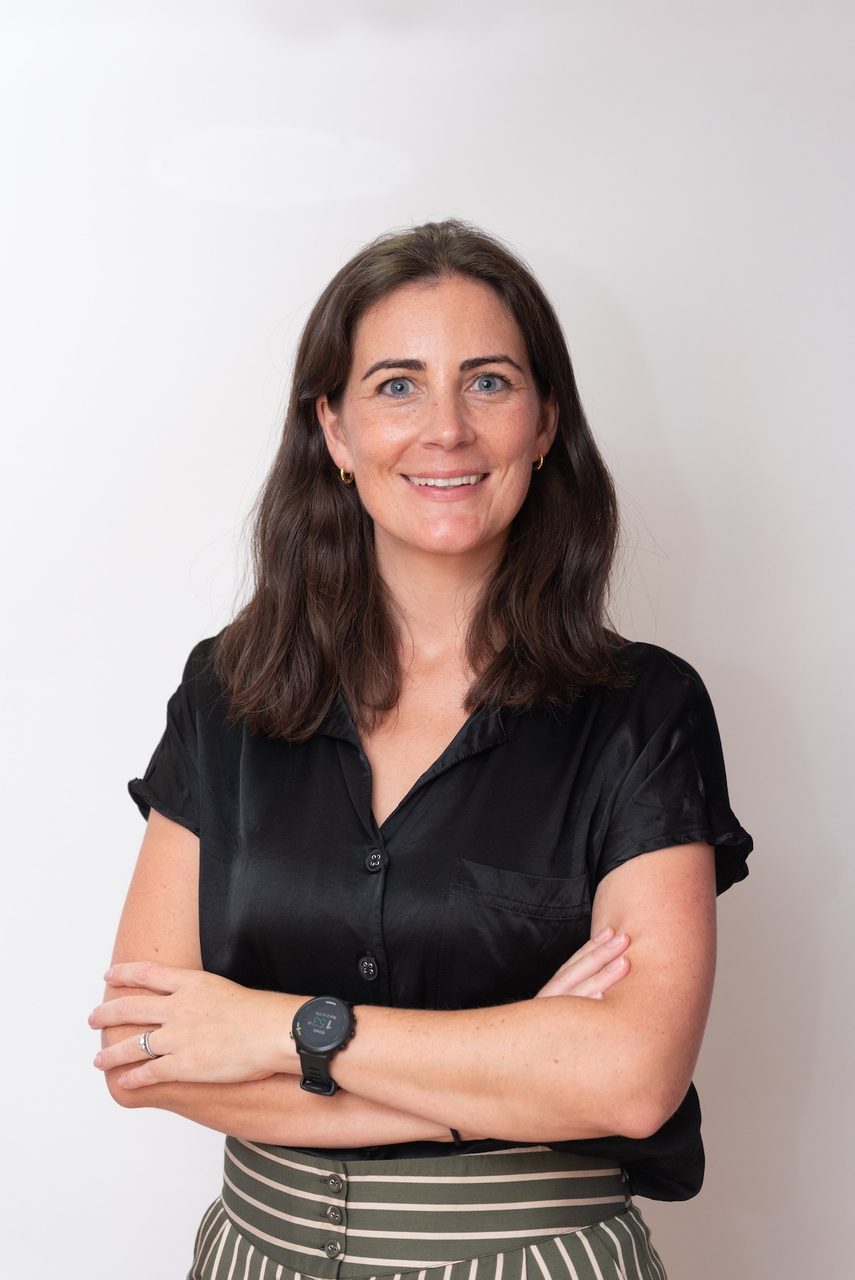
Consultant Speech & Language Therapist and Managing Director of London Speech Therapy
Emily (left) is a highly specialist consultant Speech & Language Therapist with over 15 years of clinical experience, specialising in speech sound disorders and early language delay. She graduated with a BSc in Speech Sciences from University College London in 2009 and has since built a broad and well-rounded career working across both the NHS and private sector. Emily’s clinical passion lies in early intervention.
Deborah (right) obtained her BSc in Speech Sciences from UCL. She has worked in early years in the NHS for 7 years, before moving to a mainstream primary school with a language resource base where she developed her specialist interest in supporting children with a range of speech, language and communication needs. She leads the LST neurodiversity service and works with children, families and school teams across London.
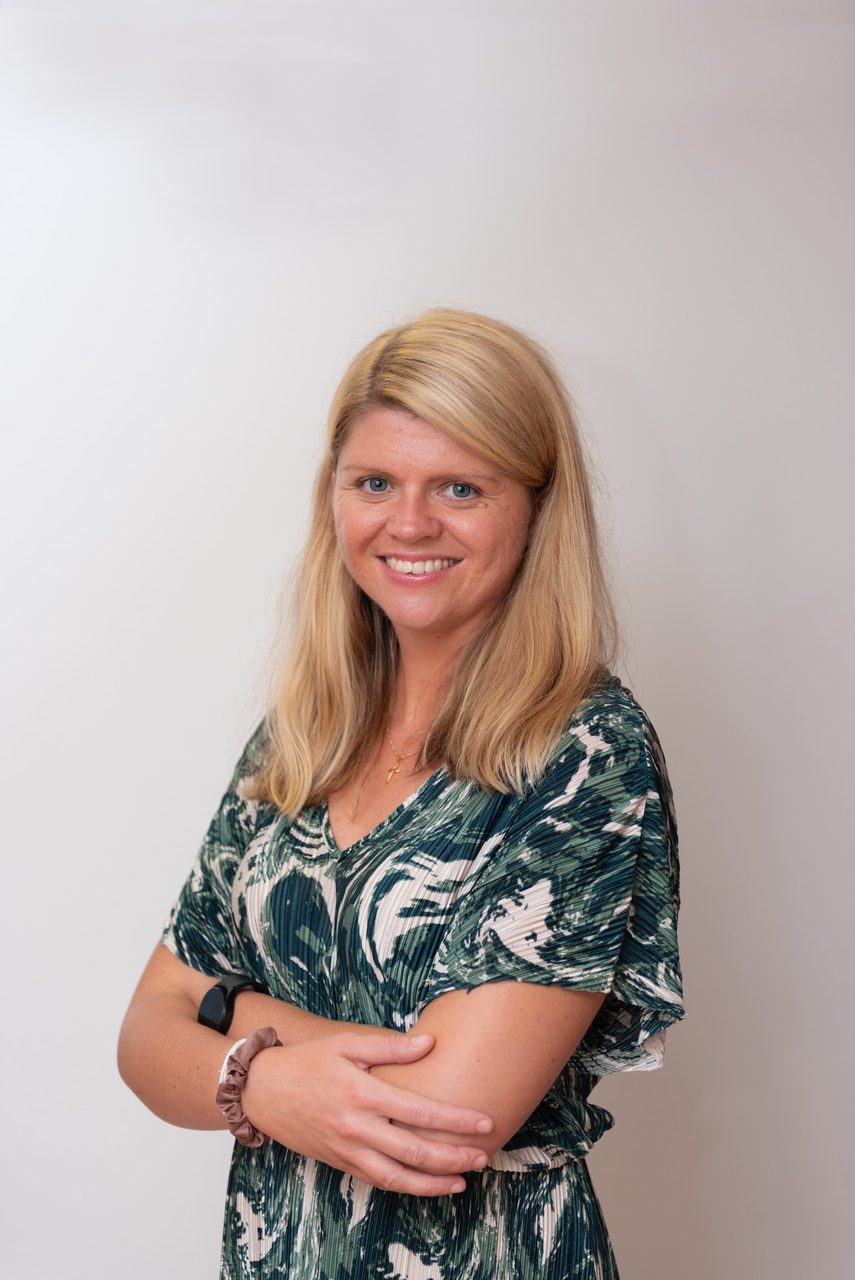
Senior Specialist Speech and Language Therapist at London Speech Therapy

London Speech Therapy (LST) is a leading provider of specialist speech and language therapy services for children and adults. Founded in 2009, LST supports individuals with communication, language and social interaction differences in private, education, health care and medical settings.
Offering tailor-made treatment plans alongside autism diagnostic assessment and reporting services, LST’s consultant-led team delivers evidence-based interventions that promote confidence, inclusion and communication success. Support is provided to patients in and around London and can be extended further afield through online teletherapy and home visits (including abroad). In parallel, LST offers training consultancy to healthcare and education organisations to help make high quality speech and language support accessible to all. LST team members – including its Managing Directors, Emily Kirchin and Máiréad Skinner – have extensive experience in the NHS and independent practice and are fully qualified with Health Care Professionals Council (HCPC) registration; enhanced DBS status; and RCSLT membership (Royal College of Speech and Language Therapists).
For more information email: enquiries@londonspeechtherapy.co.uk or go to: www.londonspeechtherapy.co.uk