
18th July 2026 • My Family Our Needs
Key takeaways
- Specialist providers now focus on grants and information to support accessible holidays for disabled people and their carers.
- Detailed access guides with measurements, photos and virtual tours help guests plan with confidence.
- Combining this support with flexible terms removes much of the usual stress of travel.
The summer holidays are finally here! Perhaps you are still searching for a break away or you are planning next year’s getaway. MFON caught up with Revitalise to find out how they support people with additional needs through holiday funding. We also hear from Luke about his holidaying experience.
Finding accessible holidays
The UK accessible tourism market is now valued at £14.6bn a year. Removing remaining barriers could unlock another £1bn in spend. Many providers offer detailed access information to make planning easier.
Guests need accurate details on parking, toilets and lifts. Measurements, photos and virtual tours are increasingly available to support confident bookings.

Revitalise no longer operates holiday centres. It now provides grants of up to £500 toward a respite break or up to £100 for a day trip. Applicants book directly and show financial need.
The charity remains active and continues to help disabled people and carers enjoy time away.
An overdue accessible holiday
Disabled adults still travel less than others. Recent surveys show the gap persists, with information quality now a major factor. Clear details help reduce stress before booking.
Accessible options exist across the country. More providers publish access guides and flexible terms so disabled people and carers can plan with greater ease.
Time to relax
Disabled people and carers often want reassurance that a place will meet their needs. Good providers now share practical information early so guests can focus on relaxing and enjoying their time away.
Meeting new people and having a change of scene remains an important part of a break for many.
Luke’s story
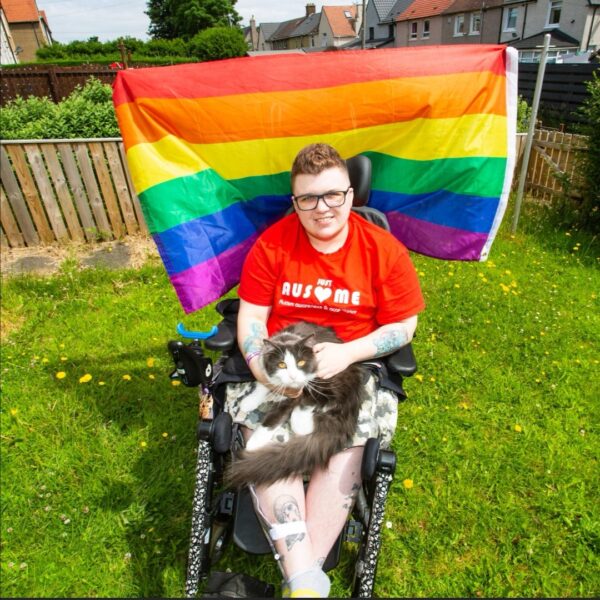
My name is Luke and I am a 27-year-old with multiple disabilities. One of these happens to be a physical disability called Ehlers-Danlos syndrome. It affects me in a way that means I require 24-hour-a-day support with certain aspects of my life, including transferring via a hoist, all personal care and access to the world around me. However, like anyone my age, I just want to do things the same as my peers, be it going out for a meal and the cinema, taking part in art clubs or just hanging out with friends.
It also means that, like anyone else, I want to go away on holiday, meet new people and enjoy myself with good food and the occasional drink. Staying away anywhere becomes a military operation for anyone with a disability. I have to think about how accessible a hotel is, whether a hoist will fit in the bathroom and room, how accessible the area and local activities are, and who will go with me to support all my needs.
You reach a point where you think, “What is the point of going away if you can’t relax?” because you are stressed out over the experience. It certainly isn’t a break for me and is even worse for my carer.
In 2018, I happened to find Revitalise when I was looking for accessible holidays online and it piqued my interest. They offered trips out, alongside lovely meals, a bar, entertainment every night and a chance to socialise with other people like myself. But, best of all, I didn’t have to worry about access, equipment and support.
So, after some thought, I booked for a week’s holiday and had an amazing time. I enjoyed it so much that I have been a total of five times now. The staff always go above and beyond to make the experience fun and relaxing. I know that it can seem really scary thinking about going away, especially if it’s the first time, but I couldn’t recommend it more.
You meet so many great guests, volunteers and staff. You find yourself enjoying it so much and the time just flies!
Visit https://revitalise.org.uk/what-we-fund/
Frequently Asked Questions
What does an accessible holiday actually include?
Accessible holidays usually mean accommodation and transport that remove barriers for disabled travellers. This can include step-free access, hoists, profiling beds, and accessible bathrooms. Because the word “accessible” is not standardised, you should always verify the exact features yourself before booking. Check out Tourism for All for more advice.
Do accessible holidays cost more?
Sometimes they can, especially if you need specialist equipment or adapted transfers. However, many providers price these packages close to mainstream holidays. If costs are a concern, several charities offer funding or subsidised breaks to help out.
What questions should I ask before booking accessible holidays?
You should ask for clear details about the property. Check if it is step-free, if doorways are wide enough, and if the bathroom has a true roll-in shower. Ask for measurements and photos so you know exactly what to expect. Finding short breaks and accessible holidays is easier when providers share clear details.
Can I hire equipment at the destination for my accessible holiday?
Often yes, but this varies heavily by property and destination. Providers commonly have hoists, profiling beds, and shower chairs available for hire or upon request. Always confirm equipment availability in writing before you finalise your booking.
How do I handle air travel on an accessible holiday?
You should request assistance at booking or at least 48 hours before your flight departure. This service is mostly free, and you can usually travel with up to two items of mobility equipment free of charge. Read the CAA special assistance guide for more tips on flying.