

30th September 2022 • My Family Our Needs
MFON columnist, Aoife Casson, has made the huge leap of buying her own home. In her latest column, Aoife talks independence and offers advice on overcoming the stresses of moving house.
For some people, independence means living completely out on your own, not being reliant on another living being and doing everything by yourself. A lone wolf. For others, independence means being able to go out for simple errands whenever you want to. I remember when I was a teenager how freeing it felt to get my own set of keys and being able to go out to a café with my friends and let myself in when I got home. Now, at 26, I need a little bit more in terms of independence!
Living on my own has been a life goal of mine since I was about 17. As an autistic person, being around other people can be exhausting, even if I’m not interacting with them. That’s why having my own place is so important to me. It gives me the freedom to completely switch off and recharge, something I’m unable to do otherwise.
Fortunately, with the help of my mum, I’m about to finally achieve that goal. I’m about to buy my own place for the very first time and I couldn’t be more excited! The process has been pretty stressful with all the uncertainties and change going on, but in a matter of weeks, I’ll be in my own little sanctuary with my dog Alfie.
How do you overcome the stress of moving?

Ask anyone who’s bought their own home and they’ll tell you it’s one of the most stressful things they’ve ever done. So, what helped me reduce the stress?
- Find a great solicitor. There’s a lot of back and forth with buying a home, so having a solicitor you can trust who doesn’t need you to keep chasing up on them makes a huge difference. Not only that but having someone who can explain all the legal jargon to you without being patronising is crucial.
- Do a gradual move. Most people move in on the day they get the keys to the new home. This makes sense if you’re selling the come you currently live in at the same time or are moving from a rented home. However, making the decision to gradually move my stuff over from my family home to my new place has taken a lot of the pressure off me, and will allow me to adapt to the change at my own pace.
- Pace yourself. Ultimately, even if you do everything you can to reduce the stress of moving home, it’s still going to be a stressful time with lots of change. The best thing you can do is recognise that and try not to pile much else on at the same time. Schedule more time to rest and talk about what you’re going through with your loved ones. These things can help make everything seem less overwhelming.
I want to be more independent; do I need to buy my own home to do that?
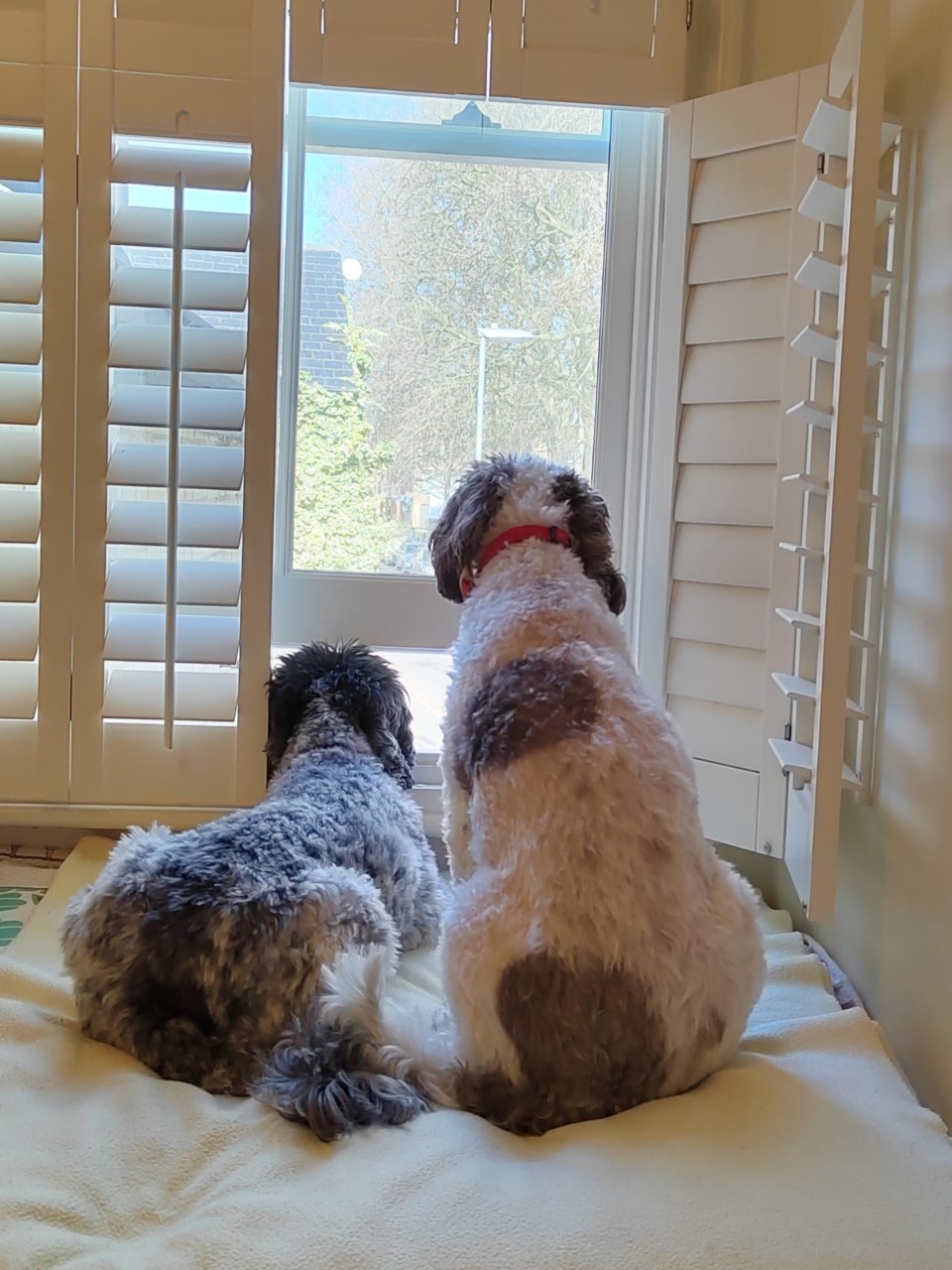
Absolutely not! Not only is buying a home very expensive and not realistic for a lot of people, but it’s also not necessarily what’s right for you. I know that living on my own with my dog Alfie is exactly what I need to thrive, but plenty of people are happier living with others! I love knowing I’m going to live in the same place for years to come and being able to look after it and make it my own. Having said that, many don’t want the responsibility of owning their own home and enjoy the freedom of being able to move wherever they want at short notice. Renting is a great way to live and what’s important is that you know what’s right for you.
Having said that, you don’t need to move out to feel more independent! There are plenty of ways you can take small steps to increase your sense of independence. Start by asking yourself what you feel able to do that you’re not currently doing. If that’s something you’d like to try, talk it over with a loved one and come up with a way you can try the new thing in a safe environment to make sure it’s right for you. Finally, remember that even once you start doing the new thing regularly, it’s ok to take a break from it when you need to. Fluctuating disabilities and conditions mean that something can be easy one day but impossible the next and that’s totally ok.
Won’t I get lonely?
Becoming independent can mean taking on things that used to be done by other people. But it doesn’t mean you have to become totally isolated or out on your own. The key to success with independence is having a strong support network of people you trust, who understand your needs and respect your boundaries. These can be family members, colleagues, friends or professionals like therapists and carers. Relying on your support network to help you out doesn’t have to mean forgoing your independence. A strong support network can also enable to you to better support yourself.
At the end of the day, independence means different things to different people. It’s also not something that everyone wants and that’s ok too! What matters is that you’re listening to your wants and needs and embracing all the things you love.