
25th September 2026 • My Family Our Needs
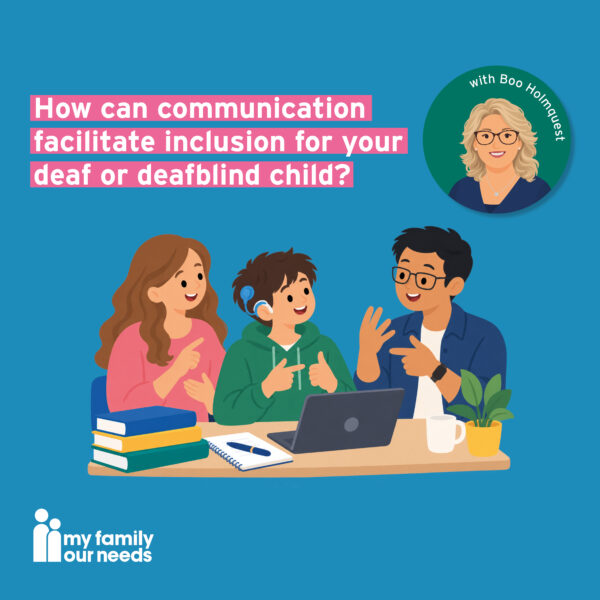
Accessible communication helps children feel understood, build relationships and take part in everyday life. Boo Holmquest, Deaf Services and BSL Advisor at Achieve together, explores why inclusion starts with communication and how families can help shape support for their deaf or deafblind child.
As we mark International Week of Deaf People, it’s a good opportunity to think about what genuine inclusion means for deaf and deafblind people.
For families raising a deaf or deafblind child, this can mean making sure their child can join in at school, build friendships, understand what happens at appointments and have a say in everyday decisions.
For me, inclusion starts with communication.
Communication is part of every aspect of our lives. It’s how we build relationships, share experiences, access information, make decisions and connect with the people around us. Yet communication is something many of us take for granted until barriers make it difficult.
For deaf and deafblind people, those barriers can affect everyday experiences in ways that are often overlooked. They can make it harder to access information, take part in conversations, build connections and make choices about the support they receive.
That’s why I believe communication should never be thought of as an additional support need. It is a foundation for independence, wellbeing and belonging.
Full participation
I’ve worked in health and social care for more than 25 years and, throughout my career, I’ve seen the difference that accessible communication can make.
When people are supported to communicate in ways that work for them, they are better able to express their preferences, make informed decisions and work towards the goals that matter to them. They gain confidence, build meaningful relationships and have more opportunities to live happy, healthy and meaningful lives.
At Achieve together, I work with team members across the organisation to help make communication, services and information more accessible for deaf and deafblind people. My role is about helping people feel understood, involved and able to participate fully in everyday life.
This includes promoting British Sign Language (BSL), visual support, assistive technology and inclusive communication practices. It also means encouraging people to think differently about accessibility and recognise the positive impact that communication can have on someone’s quality of life.
Understanding preferences
What I’ve learned is that small changes can make a significant difference.
Sometimes it’s about providing information in a different format. Other times it’s about taking the time to understand how someone prefers to communicate. Often, it’s simply about creating an environment where people feel comfortable expressing themselves and confident that they will be understood.
There is also an important difference between accessibility and inclusion; accessibility is essential, but inclusion goes further. Inclusion means creating environments where people feel valued, respected and able to contribute. It means not only removing barriers, but creating opportunities for people to participate in decisions, activities and communities in ways that are meaningful to them.
For organisations across health and social care – and for all of us for that matter – that starts with recognising that there is no one-size-fits-all approach and understanding that communication should be considered from the very beginning, not as an afterthought.
Personalised approaches for families
For families, understanding what good communication support looks like can make a real difference.
If your child or family member is deaf or deafblind, don’t be afraid to ask professionals how information will be made accessible, what communication methods they will use and what adjustments are available. This might include BSL or Makaton support, visual information, assistive technology, communication passports or other personalised approaches.
It’s also important to feel confident speaking up if something isn’t working. The best support should be developed with – or even by – the person and their family. Families know their loved ones best and can offer valuable insight into how they communicate, what methods help fully include them in conversations, and what barriers they experience.
Good practitioners and providers will listen, adapt and work in partnership with families to make sure communication is effective, personalised and meaningful. If communication is becoming a barrier to participation, decision making or independence, it’s worth asking what further adjustments or specialist support could help.
Active role
Ultimately, accessible communication should never be seen as a luxury or an added extra; it’s the foundation that enables people to understand, be understood and take an active role in their own lives.
International Week of Deaf People celebrates the experiences, achievements and contributions of deaf people around the world. It is also an opportunity to reflect on how we can create communities where everyone feels understood, connected and able to reach their potential.
When people can communicate in ways that work for them, they are better able to make choices, build relationships, pursue their goals and live happy, healthy and meaningful lives.
That’s why inclusion starts with communication.
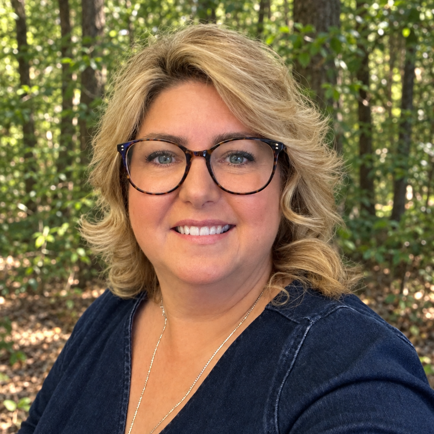
Boo Holmquest is Deaf Services and BSL Advisor at Achieve together. She supports clear communication and inclusion for deaf and deafblind people across Achieve together. She promotes accessible communication, British Sign Language (BSL), visual support and assistive technology, helping people feel understood, involved and connected.
She has more than 25 years’ experience in health and social care and previously managed supported living deaf services and deaf community outreach services for adults who use BSL.
Achieve together is one of the UK’s leading providers of specialist support for autistic people, people with learning disabilities, and associated complex needs.
We support over 2,300 people in more than 400 homes and services across England and Wales, helping them to live happy, healthy, and meaningful lives.
With 30 years’ experience and more than 6,000 dedicated team members, we put the people we support and their families at the centre of everything we do. We have over 30 specialist deaf homes and services across England and Wales.